Archives
- 2026-04
- 2026-03
- 2026-02
- 2026-01
- 2025-12
- 2025-11
- 2025-10
- 2025-09
- 2025-04
- 2025-03
- 2025-02
- 2025-01
- 2024-12
- 2024-11
- 2024-10
- 2024-09
- 2024-08
- 2024-07
- 2024-06
- 2024-05
- 2024-04
- 2024-03
- 2024-02
- 2024-01
- 2023-12
- 2023-11
- 2023-10
- 2023-09
- 2023-08
- 2023-07
- 2023-06
- 2023-05
- 2023-04
- 2023-03
- 2023-02
- 2023-01
- 2022-12
- 2022-11
- 2022-10
- 2022-09
- 2022-08
- 2022-07
- 2022-06
- 2022-05
- 2022-04
- 2022-03
- 2022-02
- 2022-01
- 2021-12
- 2021-11
- 2021-10
- 2021-09
- 2021-08
- 2021-07
- 2021-06
- 2021-05
- 2021-04
- 2021-03
- 2021-02
- 2021-01
- 2020-12
- 2020-11
- 2020-10
- 2020-09
- 2020-08
- 2020-07
- 2020-06
- 2020-05
- 2020-04
- 2020-03
- 2020-02
- 2020-01
- 2019-12
- 2019-11
- 2019-10
- 2019-09
- 2019-08
- 2019-07
- 2019-06
- 2019-05
- 2019-04
- 2018-11
- 2018-10
- 2018-07
-
br Introduction Alcohol i e ethanol is absorbed into the
2024-12-30
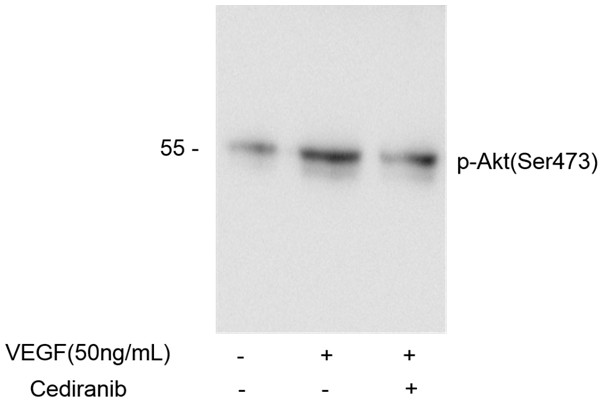
Introduction Alcohol, i.e., ethanol, is absorbed into the blood from the stomach to the small intestine, then distributed throughout the body. The metabolism of alcohol converting to acetic bcr-abl inhibitors basically involves two enzymes; alcohol dehydrogenase converting ethanol to acetaldehyde
-
In the isolated right atrium activation of muscarinic recept
2024-12-30
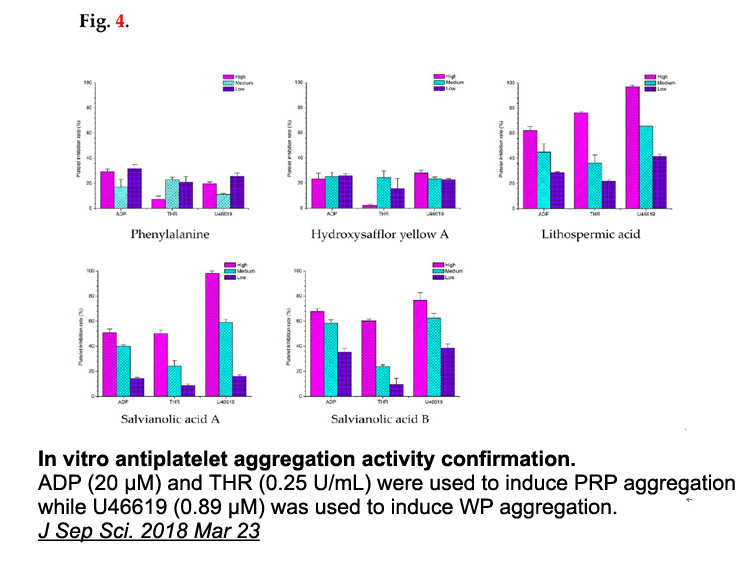
In the isolated right atrium, activation of muscarinic receptors and adenosine receptors may block the generation of action potentials in the sinoatrial node, inducing cardiac arrest (Fig. 1, Fig. 2, Fig. 3, Fig. 4, Fig. 5) (Camara et al., 2015, Campbell et al., 1989). Physiologically, this conditio
-
ADORs accomplish a variety of
2024-12-30
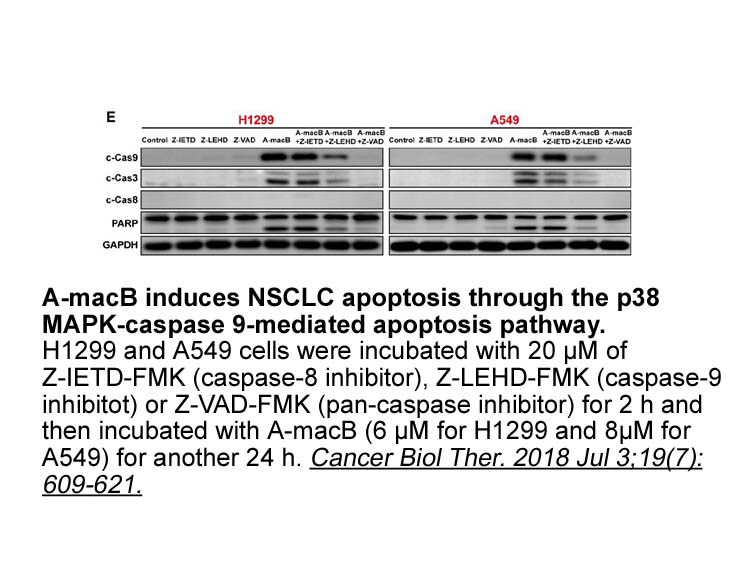
ADORs accomplish a variety of physiological effects in different tissues. In neurons, ADORs regulate the release of neurotransmitters such as dopamine and glutamate (Ferré et al., 1992; Fredholm and Dunwiddie, 1988; Ginsborg and Hirst, 1972; Gonçalves et al., 2015; Quarta et al., 2004; Stella et al.
-
As noted earlier the PfkB family of carbohydrate kinases
2024-12-30
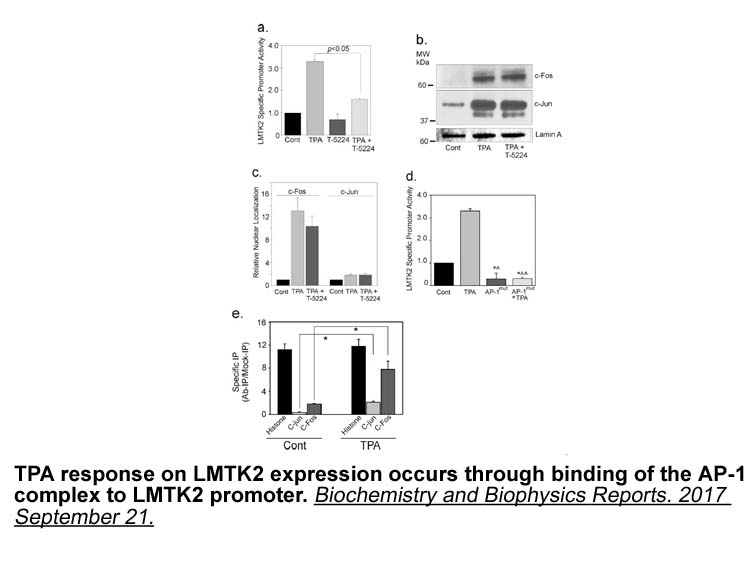
As noted earlier, the PfkB family of carbohydrate kinases can phosphorylate the hydroxymethyl group of a wide variety of sugar moieties [1], [3]. Recent searches of the Swiss-Prot database with the two conserved sequence motifs found in these proteins (Accession nos. PS00583 and PS00584) identified
-
Princen Panier specifically address the issue of ACE using t
2024-12-30
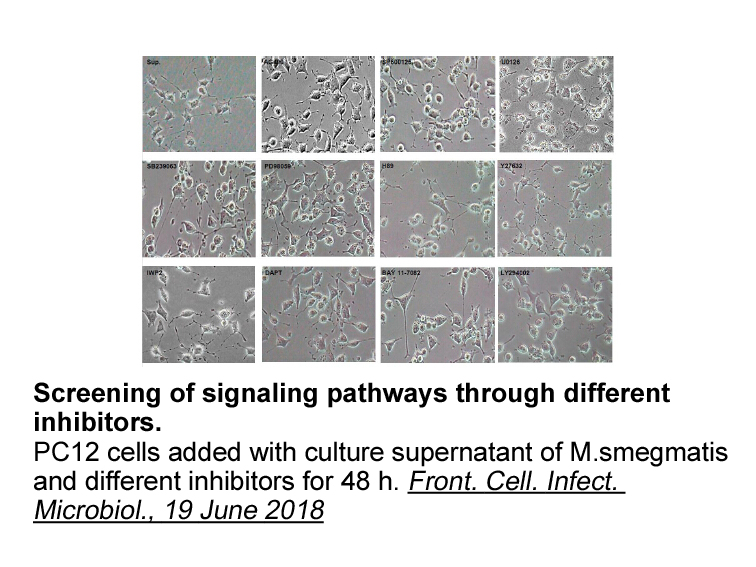
Princen, 2012, Panier, 2013 specifically address the issue of ACE using the commercial database AMADEUS. However, both studies focus only on corporate leverage and the ACE in Belgium. Due to the lack of a counterfactual, these authors consider firms in other European countries, e.g., France, as a co
-
Analyzed by qRT PCR Fig the variation of
2024-12-27
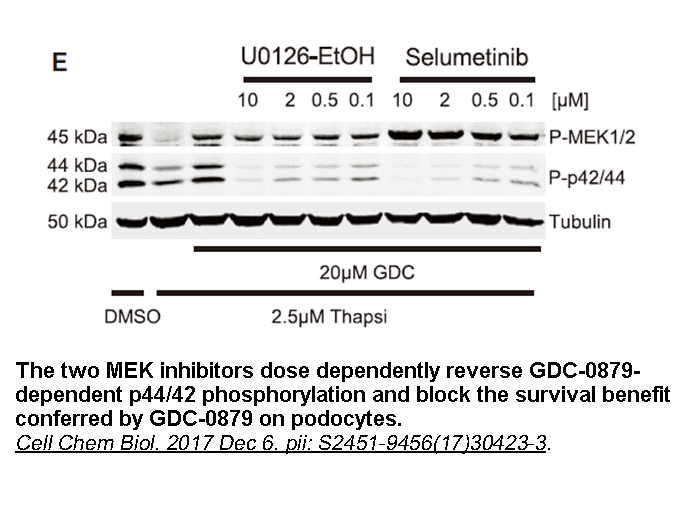
Analyzed by qRT-PCR (Fig. 8), the variation of the expressions of DtACLA and DtACLB was fairly consistent in response to nitrogen deficiency, suggesting that DtACLA and DtACLB may be coordinate to function in the catalysis. It was reported that in Arabidopsis, the coordinated ACLA and ACLB mRNA accu
-
ATM dependent initiation of radiation
2024-12-27
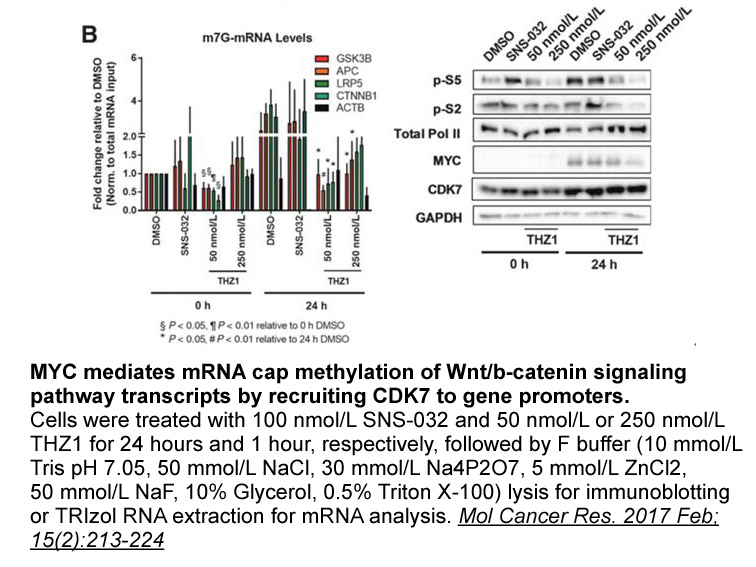
ATM-dependent initiation of radiation-induced G2/M checkpoint arrest is well established [11], [34], [35]. However, the ATR pathway may also be involved [36], [37]. Brown and Baltimore generated Cre/lox-conditional cell lines or ecopipam with a kinase inactive allele of ATR (ATRkd) to evaluate the r
-
As previously mentioned when hypoxia treated cells become re
2024-12-27
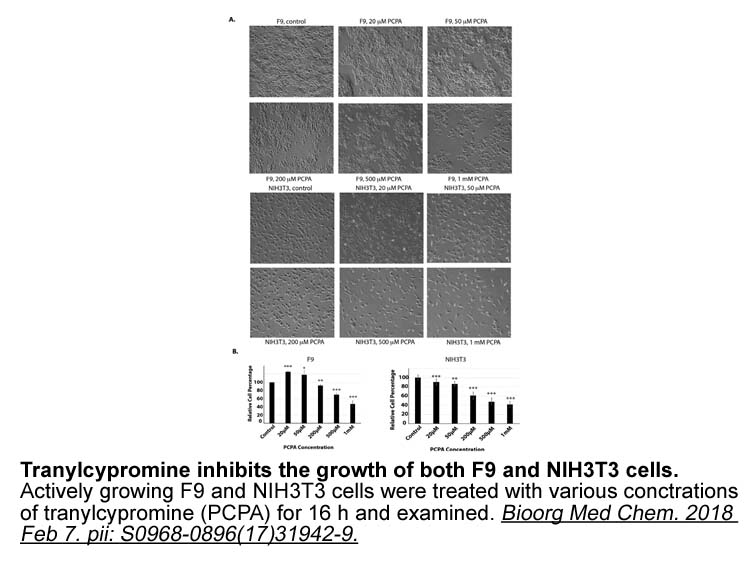
As previously mentioned when hypoxia-treated cells become re-oxygenated they sustain a significant amount of DNA damage which has been attributed to the formation of reactive oxygen species . This finding represents more than just an interesting in vitro phenomenon as within a tumor, cells have been
-
AT signaling is distinct to that of
2024-12-27
AT2 signaling is distinct to that of AT1 (Kaschina and Unger, 2003). As shown here, opposite to the stimulating effect of AT1 signaling, it inhibits apelin secretion. Activation of AT2 receptor, which is also G-protein coupled, is known to decrease cAMP and cGMP levels by inhibiting adenylyl cyclase
-
Apelin is involved in various physiological functions includ
2024-12-27
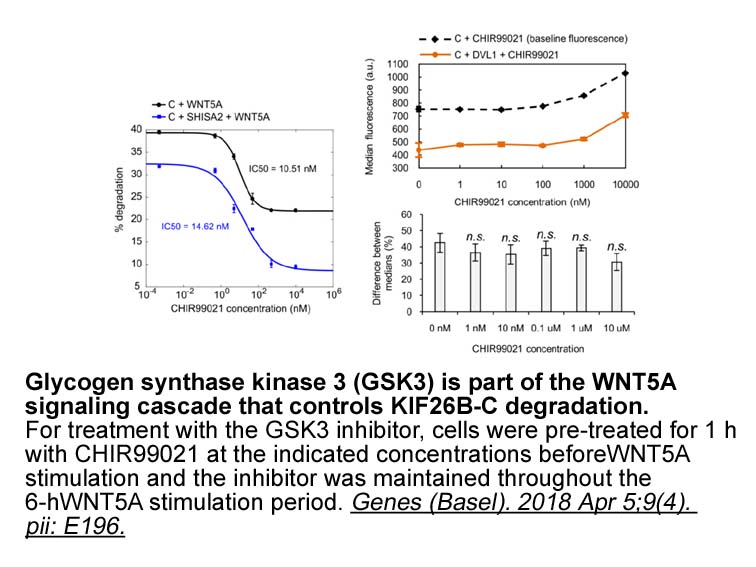
Apelin is involved in various physiological functions, including Pertussis Toxin contraction (Ashley et al., 2005), vasodilatation (Jia et al., 2007), feeding control (Valle et al., 2008), and metabolic homeostasis (Higuchi et al., 2007, Dray et al., 2008, Attane et al., 2010). Its plasma level is e
-
Hydroxyfasudil It has been proven that genetic
2024-12-27

It has been proven that genetic polymorphisms can play an important role in development of hypertension and CVDs. In a Turkish population-based study, it was found that the APLNR gene (rs948847-A445C) polymorphism was not associated with coronary artery disease (CAD), but it was shown to be related
-
Glycosylphosphatidylinositol GPI cell wall anchor synthesis
2024-12-27
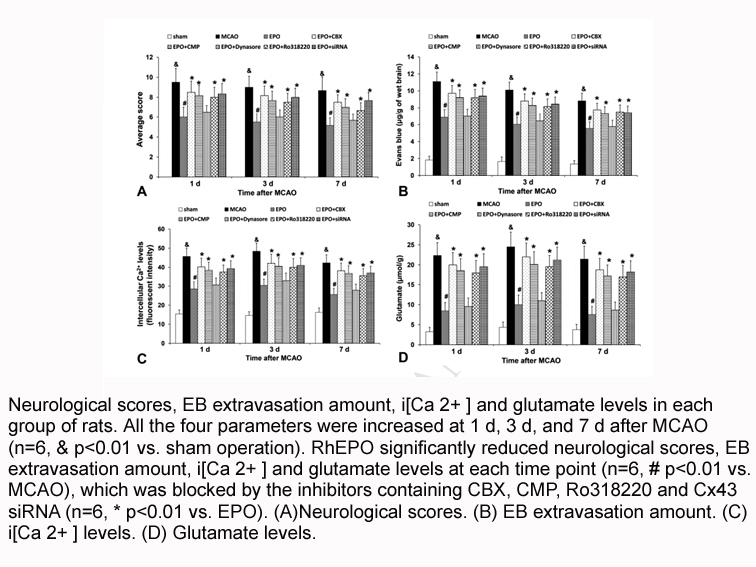
Glycosylphosphatidylinositol (GPI) RNA isolation kit anchor synthesis pathway is another promising antifungal target. Novel inhibitors of Gwt1 and Mcd4, two enzymes in the GPI anchor pathway were identified by the chemical-genomics-based screening platform CaFT (Candida albicans fitness test) [89].
-
Our surprising results show that AAD
2024-12-27

Our surprising results show that AAD-treated tumors adjacent to adipose tissues and in steatotic liver continue to grow in the presence of a minimal number of microvessels. In non-adipose tumor models, the similar degree of vascular suppression is translated into marked suppression of tumor growth.
-
In our sequential model for tau and A deposition
2024-12-27
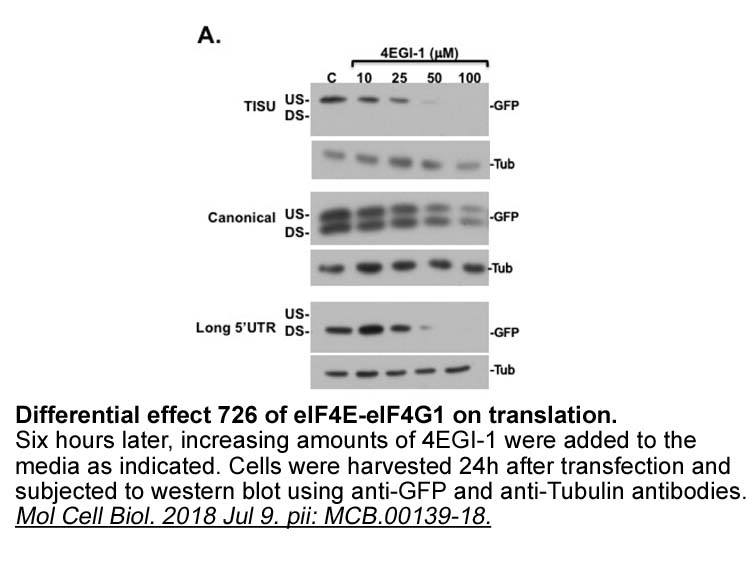
In our sequential model for tau and Aβ deposition, we included the tau deposition in the medial temporal vilazodone anxiety in the absence of Aβ deposition, which is a pathological definition of primary age-related tauopathy (PART). Although the tau pathologies in PART and AD are almost identical i
-
The first identified auxiliary subunit stargazin is essentia
2024-12-27
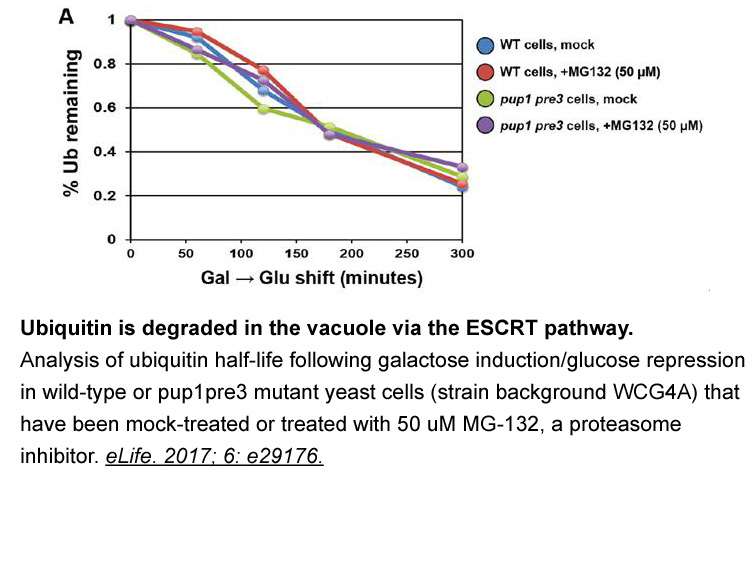
The first identified auxiliary subunit, stargazin, is essential for AMPAR function in cerebellar granule neurons (Hashimoto et al., 1999). Subsequently, a family of six transmembrane AMPAR regulatory proteins (TARPs) were defined that modify channel trafficking, gating, and pharmacology (Kato and Br
16606 records 49/1108 page Previous Next First page 上5页 4647484950 下5页 Last page